1. Survey the space
The crew checks the whole property, including closets, vehicles, sheds and bathrooms where items may be tucked away.
Gladstone, MO · Clay County
Found syringes, pipes or residue at a property in Gladstone? Call (877) 812-4220. A cleanup team can remove the items, clean and disinfect surfaces and dispose of the waste without judgment.
If anyone is in danger, call 911 first. For a suicide crisis, call or text 988.
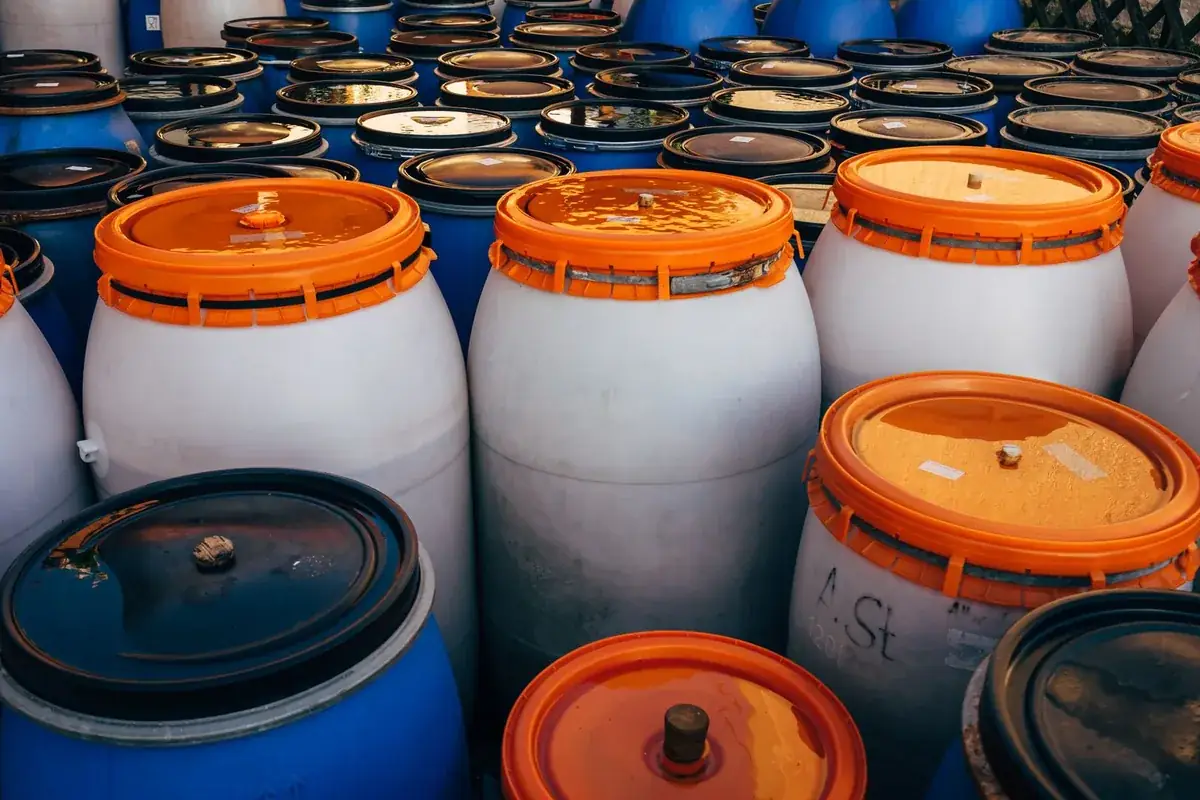
Biohazard cleanup for drug use covers removal of contaminated items, decontamination of surfaces, disposal of soft materials that cannot be cleaned and treatment of lingering odor.
You can get drug paraphernalia cleanup in Gladstone and throughout Clay County by calling Gladstone Biohazard Cleanup Help. Cleanup technicians follow the OSHA Bloodborne Pathogens Standard, 29 CFR 1910.1030, when sharps are involved.
The vacancy rate in Clay County is only about 5%, so most paraphernalia calls come from occupied homes, rentals and businesses. Emergency care for people in Gladstone is available at Nkc Health in North Kansas City. Cleanup can wait until everyone is safe.
A typical drug paraphernalia cleanup job includes:
The crew checks the whole property, including closets, vehicles, sheds and bathrooms where items may be tucked away.
The team looks over the rooms and decides which items, surfaces and materials need attention.
Items are lifted with tools into labeled containers. Soft materials that cannot be cleaned are removed and bagged.
The space is checked once more, and the crew answers questions before leaving.
The cost of drug paraphernalia cleanup in Gladstone, MO depends on the amount of material, how it is packed and how it is hauled.
Disposal of sharps and contaminated materials as regulated waste is part of the price, and it changes with the amount.
| Type of job | Typical range |
|---|
Estimates only, not a quote. Sources: . Price drivers include amount of material, whether residue is present, surfaces affected, waste disposal. Call (877) 812-4220 to talk through the job.
Sometimes. Some homeowners and renters policies cover cleanup after a covered event, and some limit or exclude claims tied to illegal activity. Check your policy, call your insurance company before work starts, take photos if you can, and keep every receipt.
No. A good team asks only what it needs to plan the work, and you decide what to share. If privacy matters, ask about discreet, unmarked arrival when you call. Teams differ, so ask how the call and the visit are handled.
Police and the city do not usually clean the space afterward. The owner or the family books the cleanup once the scene is released. A cleanup team can work after the release and explain the steps. Ask the agency when the space is cleared.
Often, yes. Many teams can arrive in an unmarked vehicle and work quietly. If privacy matters, ask about it when you call. The crew shares only what it needs to plan the work.
In many cases the person who calls does not need to be at the property. Ask the team how access and keys can be arranged. If you are out of town, say so when you call. Many teams can arrive in an unmarked vehicle.
Do not touch, sweep or smell it, and do not try to clean it up first. Keep children and pets away. If anyone touched or swallowed it, call Poison Control, or 911 in an emergency. Then call a cleanup team to remove it safely.
A cleanup team removes the items, treats the surfaces and keeps the details private.
Call (877) 812-4220